| Sharon Regan's Plant Biotechnology Laboratory | |
|
|
Group Photo
(January 2003): |
|
Overview of Molecular Regulation of Wood Formation: 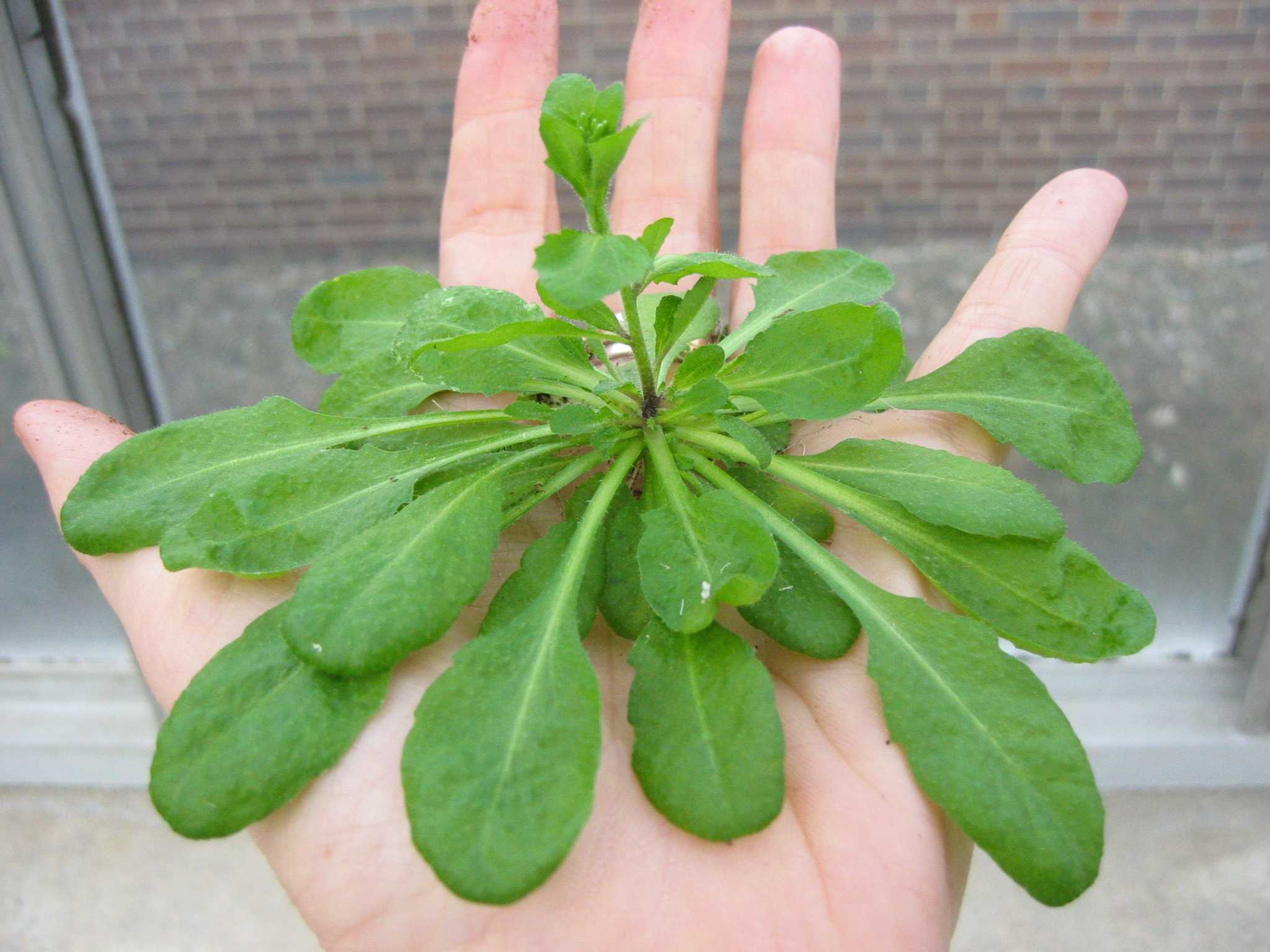 Introduction: The value of a tree to the forest industry depends not only on the amount of wood produced but also the physical and chemical properties of the wood fiber. The two most abundant components of the wood fiber are cellulose and lignin. While the cellulose is the valuable component for the pulp and paper industry, removal of the lignin is the most energy intensive and environmentally damaging step of the pulping process. Ideally we would like to identify and propagate a tree that produces a maximal amount of wood with a reduced lignin content. But compared to agricultural crop plants, which have been domesticated for thousands of years, trees are only starting to be domesticated and much of our wood is harvested from natural forests. In contrast to hundreds or thousands of generations of selection needed to enhanced trees with traditional breeding strategies, recent advances in biotechnology open the possibility of producing or identifying improved trees in a matter of years. The research in this laboratory focuses on understanding the basic mechanisms controlling key traits in the wood. To identify these genes we will use two model plants, the first is Arabidopsis thaliana, a small weed related to mustard and the second is poplar, a fast growing tree species. Examples of the types of questions we hope to answer are:
The information generated from this research could eventually lead to the identification of trees with improved wood properties. | |
|
| |
|
Research in this lab is focussed on identifying genes responsible for the regulation of vascular cambium development, the radial meristem responsible for the production of (xylem) wood. Although we understand much about the genes regulating shoot and root apical meristem development, the molecular controls regulating the vascular cambium, are poorly understood. This is largely due to the fact that Arabidopsis thaliana, the best model system to study plant development, does not undergo much secondary growth and is generally considered not to possess a vascular cambium. As a result the majority of studies on the cambium have been in trees which are more difficult to study because of the long generations times, large genomes, and limitations in transformation technologies. However, we have recently shown that Arabidopsis undergoes extensive secondary growth under the appropriate growing conditions (see picture), and produces xylem which is very similar to the xylem of trees, thereby opening up the opportunity of studying aspects of wood formation in this model plant. This research will take advantage of the extensive genetic, molecular and genomic information available in Arabidopsis to identify genes responsible for cambial growth and differentiation. We are also applying a functional genomic approach, using microarray analysis and serial analysis of gene expression (SAGE) we are identifying genes involved in cambial meristem and xylem development. While initial gene isolation and the analysis of gene function will be accessed in Arabidopsis, the longer term goal is the functional testing of genes in poplar. | |
|
| |
|
An isolated vessel member from poplar wood. The two most prominent cell types in the xylem of angiosperms are vessels for water transport and fibers for structural support. This vessel was isolated by macerating the wood of Populus tremula X tremuloides and the separated cell types were stained to fluoresce with blue light. This photo was a kind gift from my colleague Dr. Nigel Chaffey, currently of IACR-Long Ashton Research Station, Department of Agricultural Sciences, University of Bristol UK. Although much of the research in the lab is focused on understanding the molecular controls of wood formation, we are using the model plant Arabidopsis for most of our research. This plant offers several advantages over other plants such as small size, fast growth, and several molecular biology tools that make research much easier and much more interesting (complete sequence is known, and there are several methods available for producing and identifying mutants). The results we find in Arabidopsis will eventually be applied to more important woody plants such as poplar and spruce. For a layman's version of Dr. Regan's research please see the article written by Stefan Norman, a Carleton University Journalism student. Created by Ahmad Almunayer
& Hung Ho | |
|
© 2002 Carleton University. All rights reserved. | |


